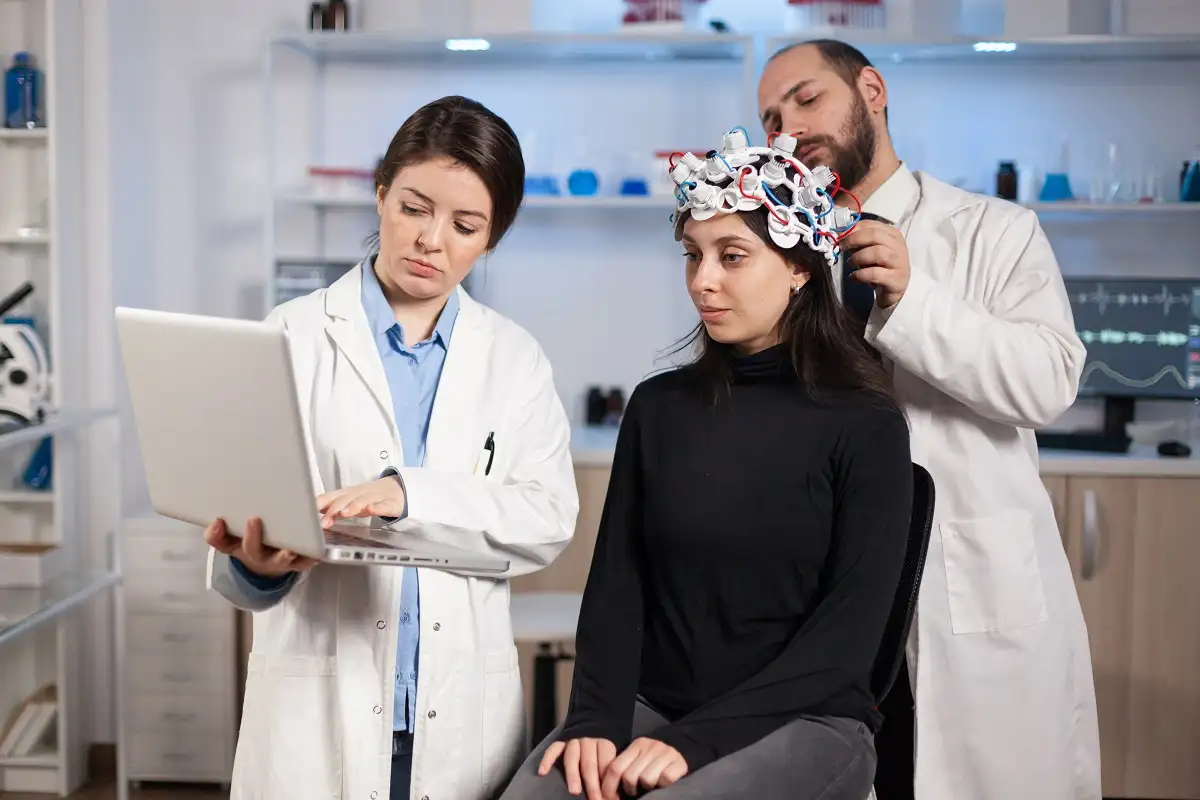
Neurological diseases represent a broad and complex category of disorders affecting the nervous system — the brain, spinal cord, and peripheral nerves — that together control every action, sensation, and function in the human body. From memory loss and tremors to seizures, strokes, and movement disorders, these conditions can dramatically impact quality of life.
For patients, caregivers, and medical learners alike, doctorhub360.com neurological diseases is an increasingly important online resource, offering trustworthy, accessible information on the causes, symptoms, diagnosis, treatment, and long-term management of neurological disorders. In this article, we explore in depth what neurological diseases are, common conditions covered by doctorhub360.com, how they are diagnosed and treated, prevention strategies, and the role this digital platform plays in bridging knowledge gaps in neurological health and care.
1. What Are Neurological Diseases?
Neurological diseases are functional or structural disorders of the nervous system. The nervous system is responsible for controlling everything from simple reflexes to complex cognitive processing. A disruption anywhere along this system can lead to widespread symptoms, often affecting movement, thought, sensation, behavior, and vital bodily functions.
According to the educational approach presented on doctorhub360.com neurological diseases, these disorders can arise from various causes — genetic factors, infections, immune reactions, traumatic injuries, degenerative changes, or cerebrovascular events like strokes. Unlike some other medical conditions, neurological diseases often evolve over time and may lead to permanent disability if not properly understood and managed.
Because of the complexity and diversity of these conditions, platforms like doctorhub360.com work to demystify neurological health by offering clear explanations in straightforward language — reducing confusion and encouraging early recognition and care.
2. Why Awareness About Neurological Diseases Matters
Neurological diseases are not rare. Millions of people around the world live with these disorders at some point in their lives — some for a short duration, others chronically or permanently. The nervous system’s central role in almost every bodily function means that even minor disruptions can have significant consequences.
Yet awareness remains limited for many conditions. Misunderstandings, delayed diagnosis, and inadequate access to specialist care often leave patients and families isolated and unsure where to begin. This is where doctorhub360.com neurological diseases plays a crucial role. By making information accessible, medically sound, and patient-oriented, the platform supports better health literacy — a key step toward improved outcomes.
Understanding neurological diseases early can:
-
Prompt early consultation with specialists, which often improves outcomes.
-
Reduce complications by encouraging preventive measures.
-
Educate caregivers on how to support loved ones effectively.
-
Empower individuals to make informed health decisions.
3. Common Neurological Conditions Covered on DoctorHub360.com
The term “neurological diseases” includes an extremely wide spectrum of conditions. On windows like doctorhub360.com neurological diseases, these are categorized into major groups to help users navigate the information easily. Here are some of the most commonly discussed disorders:
3.1 Neurodegenerative Diseases
These conditions involve the gradual loss of nerve cell structure and function. They are generally progressive and often incurable, but manageable with appropriate care.
Examples include:
-
Alzheimer’s Disease: Progressive dementia affecting memory and cognition.
-
Parkinson’s Disease: Causes tremors, rigidity, balance issues, and slow movement.
-
Amyotrophic Lateral Sclerosis (ALS): Affects motor neurons controlling voluntary muscles.
3.2 Autoimmune Neurological Disorders
Autoimmune neurological diseases occur when the immune system mistakenly attacks healthy nervous system tissues.
Examples include:
-
Multiple Sclerosis (MS): Damage to the protective sheath of nerve fibers.
-
Guillain-Barré Syndrome: Rapid muscle weakness due to nerve inflammation.
3.3 Cerebrovascular Disorders
These disorders are caused by problems in the brain’s blood vessels.
Examples include:
-
Stroke (Ischemic & Hemorrhagic): Interrupted blood flow leading to brain damage.
-
Transient Ischemic Attacks (TIA): Temporary blockage with stroke-like symptoms.
3.4 Seizure Disorders
Most widely represented by epilepsy, seizure disorders involve abnormal electrical activity in the brain, leading to convulsions or altered awareness.
3.5 Peripheral Nerve Disorders
These affect the nerves outside the brain and spinal cord, leading to symptoms in the extremities.
Examples include:
-
Peripheral Neuropathies (often due to diabetes or toxins).
-
Entrapment Syndromes such as carpal tunnel.
3.6 Movement Disorders & Headache Syndromes
Movement disorders include conditions like dystonia and Tourette’s syndrome, while headache syndromes include severe migraines and cluster headaches.
Each condition on doctorhub360.com is typically described with clear explanations of its causes, symptoms, risk factors, and management strategies, helping readers understand what to expect and when to seek care.
4. Early Signs and Symptoms: Recognizing Red Flags
A foundational part of navigating neurological health is learning to recognize symptoms early. Neurological illnesses frequently begin with subtle signs that can easily be overlooked or misattributed to stress, aging, or other less serious causes. Through doctorhub360.com neurological diseases, common warning signals are presented in understandable terms so anyone — patients, families, caregivers — can identify when it’s time to act.
Typical Symptoms Across Neurological Diseases
-
Persistent or severe headaches that differ from usual patterns.
-
Tremors, shaking, or involuntary movements.
-
Muscle weakness or stiffness.
-
Numbness, tingling, or altered sensation in limbs.
-
Memory issues, confusion, or difficulty concentrating.
-
Changes in speech, vision disturbances, or balance problems.
-
Seizures or unexplained fainting episodes.
Not all symptoms indicate a serious neurological condition, but frequent, worsening, or unexplained symptoms warrant medical evaluation. Early detection can significantly improve treatment effectiveness and prevent long-term disability.
5. Accurate Diagnosis: A Multi-Step Process
Understanding neurological diseases often requires a thoughtful, multi-step diagnostic process. Because symptoms overlap across disorders, doctors cannot rely on a single test. The doctorhub360.com neurological diseases approach breaks this complexity into clear stages:
5.1 Medical History & Physical Examination
The neurologist reviews symptoms, duration, progression, personal and family medical history, and potential triggers.
5.2 Neurological Examination
This includes assessments of:
-
Reflexes
-
Muscle strength and tone
-
Balance and coordination
-
Sensory perception
-
Cognitive function
5.3 Imaging Techniques
Imaging such as MRI (Magnetic Resonance Imaging) or CT scans help visualize structural abnormalities, tumors, strokes, or degenerative changes.
5.4 Electrophysiological Tests
Tests like EEG (electroencephalogram) and EMG (electromyography) assess electrical activity in the brain and nerve-to-muscle communication.
5.5 Blood and Spinal Fluid Analysis
These tests help identify infections, inflammation, metabolic imbalances, and autoimmune markers.
By presenting these details in structured and patient-friendly format, doctorhub360.com helps users understand each step of the diagnostic journey — reducing anxiety and improving preparedness before consultations.
6. Treatment and Management: From Medications to Lifestyle
While many neurological diseases cannot be cured entirely, most can be managed effectively with the right combination of treatments. The doctorhub360.com neurological diseases sections emphasize a holistic and individualized approach to care:
6.1 Medications
Medications vary depending on the disease:
-
Anticonvulsants for epilepsy.
-
Dopamine-based drugs for Parkinson’s Disease.
-
Immunotherapy or steroids for autoimmune disorders.
-
Cholinesterase inhibitors for Alzheimer’s symptoms. My Magazine
6.2 Surgical Interventions
Some conditions may require surgery, such as:
-
Clot removal for ischemic strokes.
-
Tumor resection.
-
Deep Brain Stimulation (DBS) for movement disorders.
6.3 Rehabilitation Therapies
Rehabilitation plays an essential role:
-
Physical therapy improves strength and mobility.
-
Occupational therapy enhances daily functioning.
-
Speech therapy assists communication difficulties.
6.4 Lifestyle Adjustments
Helpful lifestyle changes may include:
-
Healthy diets rich in omega-3 fatty acids and antioxidants.
-
Regular, moderate exercise within individual ability.
-
Adequate sleep and stress management.
-
Avoiding smoking and limiting alcohol intake.
6.5 Supportive Tools & Technologies
Doctorhub360.com highlights modern technologies that support neurological care, such as:
-
Wearable monitoring devices.
-
Telemedicine for remote consultations.
-
AI-assisted diagnostic tools.
-
Assistive devices for mobility and independence.
This broad view of treatment reflects the website’s mission — to present not just technical medical facts but real-world, patient-centered approaches that improve daily living.
7. Living with Neurological Diseases: Emotions, Daily Life & Support
Neurological disorders impact more than physical functioning — they affect emotions, relationships, work, independence, and overall quality of life. The doctorhub360.com neurological diseases sections recognize this by including guidance for emotional well-being and caregiver support.
7.1 Emotional & Mental Health
Chronic diseases often bring anxiety, depression, and stress. The platform encourages open conversations about mental health, offers mindfulness techniques, and recommends professional counseling when needed.
7.2 Caregiver Guidance
Caregivers play a key role in supporting loved ones. Doctorhub360.com provides practical tips on:
-
Symptom monitoring.
-
Medication schedules.
-
Daily routine planning.
-
Caregiver self-care to prevent burnout. My Blog
7.3 Work and Independence
The site offers strategies for:
-
Modifying work environments.
-
Using ergonomic tools.
-
Seeking vocational support to remain productive and independent.
7.4 Community Support
Living with neurological diseases can be isolating. Doctorhub360.com also connects users with support groups and online communities that foster shared experiences, encouragement, and mutual learning.
8. Prevention and Risk Reduction
Not all neurological diseases are preventable, but many risk factors can be controlled. On doctorhub360.com neurological diseases, prevention strategies are explained clearly so users understand what they can do to protect their nervous system health:
8.1 Lifestyle Habits
-
Maintain healthy blood pressure and glucose levels.
-
Eat nutrient-rich diets high in brain-healthy fats and antioxidants.
-
Stay physically and mentally active.
-
Avoid smoking and excessive alcohol consumption.
8.2 Injury Prevention
Head and spinal injuries can lead to long-term neurological impairment. Simple precautions — such as wearing helmets, seat belts, and fall-prevention measures — make a significant difference.
8.3 Regular Health Screenings
Routine check-ups can identify early risk factors like high blood pressure or diabetes that contribute to stroke and other neurological conditions.
By promoting these habits, doctorhub360.com doesn’t just describe diseases — it empowers readers to take proactive steps toward long-term neurological health.
9. The Role of DoctorHub360.com in Modern Neurological Health Education
In a world flooded with medical misinformation, accessible yet evidence-based resources are essential. doctorhub360.com neurological diseases is designed to be one such trusted hub — combining medical accuracy with clarity and compassion.
9.1 Medically Reviewed Content
Doctorhub360.com ensures that articles about neurological diseases are reviewed and created by qualified healthcare professionals, offering reliability in an often confusing online landscape.
9.2 Easy-to-Understand Language
Complex neurological science is broken down into practical, patient-oriented explanations that avoid overwhelming jargon.
9.3 Up-to-Date Research
The site regularly updates its content to reflect new findings, clinical trial updates, and emerging treatment options.
9.4 Holistic Perspective
Beyond clinical facts, doctorhub360.com addresses emotional well-being, lifestyle adjustments, caregiver support, and community engagement — making it a comprehensive neurological education resource. My Blog
10. Conclusion: Empowering Neurological Health Awareness
Neurological diseases affect millions worldwide, crossing age, gender, and cultural boundaries. The more we understand these conditions — from early symptoms to preventive steps, from modern treatments to holistic care — the better we can live with confidence, seek timely help, and support loved ones.
Through its dedication to clear medical education, empathetic guidance, and practical tools, doctorhub360.com neurological diseases serves as a vital companion in this journey. Whether you are a patient recently diagnosed, a caregiver navigating care routines, a student learning about neurology, or simply someone who wants to protect your neurological health — the information and resources here can help turn uncertainty into empowerment, and fear into informed decision-making. See More



9 Comments
Comments are closed.